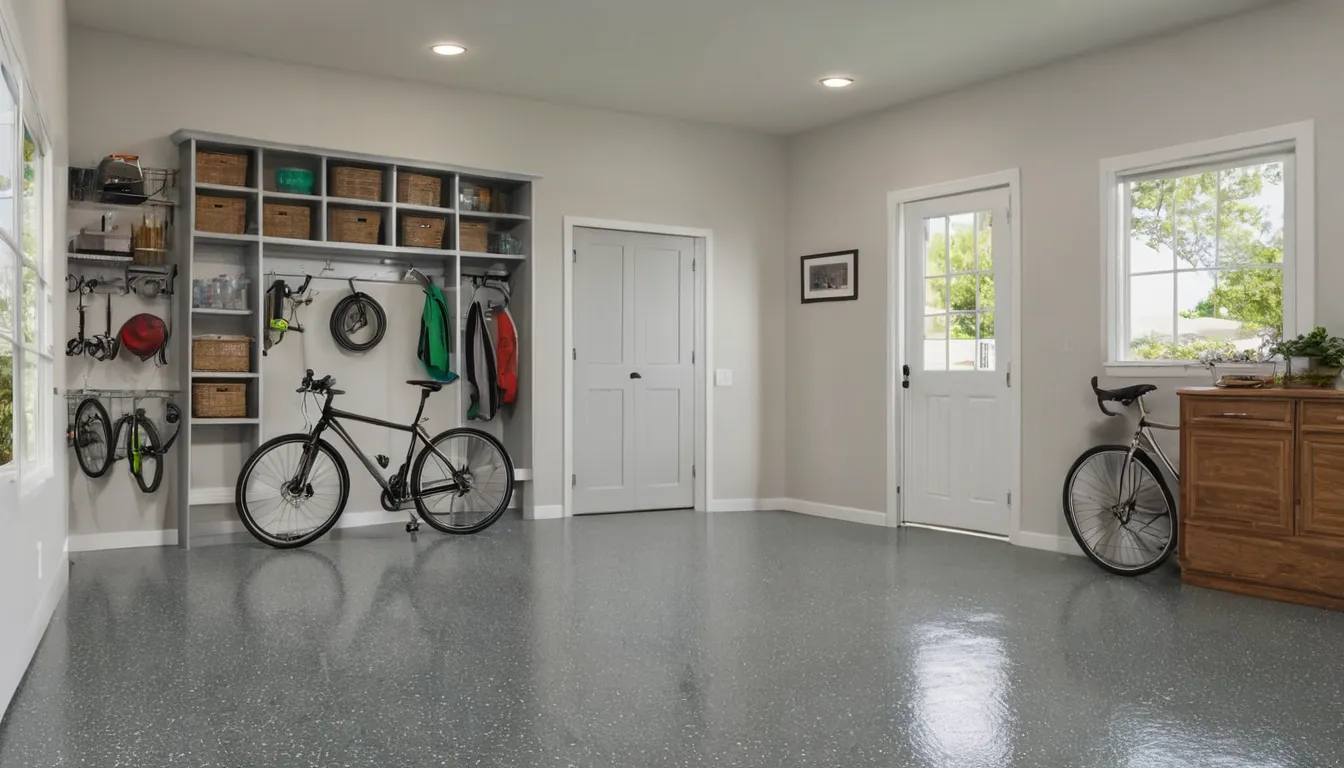
A garage floor project can feel like one more thing on a full to-do list. Polyaspartic coating is a tough, fast-curing finish that independent providers apply over prepared concrete. Because it cures quickly, many households find it easier to fit around school runs, work shifts and weekend plans.
Sorocket Floor Coating is a referral service. We do not do the work. We connect you with providers in our network who serve the Lavon area. You can share your routine, ask about timing, and get a written quote. There is no pressure, and you choose what happens next.
Need Your Garage Back Sooner?
A garage floor project can feel like a knot in the family schedule. Cars, bikes, bins and school gear all need a place to go. Many busy households look at polyaspartic because it is known for curing fast. That can mean less time with a cluttered driveway and a shorter wait before the garage works again.
One calm first step is to ask a local provider what a realistic timeline looks like for your floor.
What Polyaspartic Coating Really Is
Polyaspartic is a type of coating made for concrete. It goes on in thin layers and hardens into a smooth, strong surface. It can be clear or tinted, and it often holds up well against sun, tire marks and spills. Providers in our network apply it. Sorocket Floor Coating only helps you find them.
How It Differs From Epoxy
If you have seen epoxy garage floors, you already know the look. Both can give a clean, finished floor. The big difference is cure time and how each material behaves in heat and light.
Epoxy often needs more time between steps. Polyaspartic usually sets faster, so a provider may finish more of the job in less time. Polyaspartic also tends to resist yellowing in strong sunlight. Epoxy can cost less up front, so some homeowners pick it for budget reasons. Ask the provider to explain both in plain words.
Full Polyaspartic or a Hybrid System?
You may hear the word hybrid. A hybrid system uses an epoxy base layer, then a polyaspartic top coat. A full polyaspartic system uses polyaspartic for most or all layers.
- Full system: often faster, with fewer steps on site.
- Hybrid system: can lower the material cost while still giving a durable top layer.
Neither choice is right for every home. The condition of your slab, your budget and your schedule all matter. A good provider will walk you through the tradeoffs without rushing you.
Plan Around Daily Life
Busy homes need a plan, not a surprise. Before the work starts, ask what must be moved out of the garage and where it can go for a day or two. Ask which door you can use. Ask when the family car can come back in.
Tell the provider about pets, little kids and anyone who uses the garage as the main entry. Providers can often adjust the order of work to cause less disruption. They cannot guess your routine, so share it up front.
What the Work Usually Looks Like
Every provider has their own method, but the steps are often similar.
- Prep the concrete. The surface is usually ground so the coating can grip. This step matters most.
- Fix cracks and chips. Small flaws are filled and smoothed.
- Apply the base coat. Color goes down first.
- Add flakes if you want them. These give texture and hide dirt.
- Finish with a clear top coat. This seals and protects.
Because polyaspartic cures fast, some of these steps may happen close together. Ask how long before you can walk on the floor, park a car, and put shelves back.
Where Polyaspartic Works Well
Garages are the most common spot. The coating also suits patios, porches, workshops, laundry rooms and basement floors. Some homeowners like it for a covered outdoor area that gets strong sun. If you also have projects inside the home, such as hardwood flooring installation or custom floor finishes, ask whether the provider handles those too. Not every provider does.
Heat, Humidity and Storm Season
Hot, humid summers and heavy downpours affect coating work. Moisture in a slab can cause trouble, and very hot concrete can make coatings cure unevenly. A careful provider checks the slab and picks a good time of day to work.
Many homes here sit on a slab, and garages can get very hot. Ask how the provider handles moisture and heat. Also ask what happens if a tropical storm moves in during your project week. A clear plan for delays can save stress later.
Choosing Colors and Flake Blends
Color is the fun part, but it can feel like a lot of choices. Start simple. Mid-tone grays and tans hide dust and tire marks well. Dark colors show dust more. Very light colors can show scuffs.
Flake blends add speckle and grip. A fuller flake pattern hides more flaws in the concrete. A lighter pattern looks cleaner and more modern. Ask to see samples in your own garage light before you decide. Many providers also offer custom floor finishes, like metallic looks or a solid color with no flakes.
Care After Coating
A new floor lasts longer with easy habits. Sweep or dust mop often, since grit acts like sandpaper. Rinse spills, especially oil, soap and salt. Use a mild cleaner and a soft mop. Skip harsh scrapers and strong solvents.
Place mats under bike stands and jacks. Let hot tires cool before parking if you can. After a storm, wipe up water that blows in so it does not sit. Ask the provider for written care steps and what to avoid in the first weeks.
Questions to Ask the Provider
A few questions can make the process smoother.
- How will you prepare my slab, and how will you check for moisture?
- Is this a full polyaspartic or hybrid system?
- How long until I can walk on it, park on it, and move things back?
- What warranty comes with the work, and what does it cover?
- Can I get the quote in writing, with the steps listed?
Keep the answers. They help you compare providers fairly.
Ready for One Calm First Step?
You do not need every answer today. Share your routine, ask about timing, and see what providers say. Request a callback to check provider availability, or use the request form to ask for an estimate with no obligation.
What's Included
Surface Prep
Providers usually grind the concrete and fill cracks so the coating can grip well.
Color and Flakes
Choose a solid color or a flake blend that hides dust, tire marks and small flaws.
Fast-Curing Layers
Thin polyaspartic coats set quickly, which can mean fewer days of disruption for your household.
Clear Top Coat
A sealing layer adds shine, helps resist stains and makes cleanup simpler.
Typical Polyaspartic Floor Coating Costs in the U.S.
Prices vary by garage size, slab condition and the system you choose. These are typical U.S. ranges, not quotes. Ask each provider for a written quote that lists every step and material.
| Item | Typical range | Notes |
|---|---|---|
| Full polyaspartic, per sq ft | $6 – $12 | Often faster to finish; price depends on layers |
| Hybrid epoxy and polyaspartic, per sq ft | $5 – $10 | Epoxy base with a polyaspartic top coat |
| One-car garage (about 250 sq ft) | $1,500 – $3,000 | Size and prep needs shift the total |
| Two-car garage (about 450 sq ft) | $2,700 – $5,400 | Flake blends may add to the price |
| Crack and chip repair | $200 – $800 | Depends on how much damage there is |
| Moisture treatment or sealer | $300 – $1,200 | Needed only if the slab tests damp |
How It Works
Share Your Routine
Tell us about your garage, your schedule and any worries about the mess or timing.
Meet a Local Provider
A provider in our network reaches out to talk through options and availability.
Review the Written Quote
Look over the steps, materials and timing, and ask any questions.
Plan and Care Afterward
Schedule the work around daily life, then follow simple care habits to protect the floor.
Why Call Sorocket Floor Coating
Calm, Clear Next Step
Share your routine once, then compare what independent providers say about timing and price.
Local Providers
Providers in our network know the heat and humidity common to the Lavon area.
Plain Answers
Get simple explanations of systems, colors and care, without pressure or jargon.
Written Quotes
Ask for a quote in writing so you can compare fairly.
Other Services
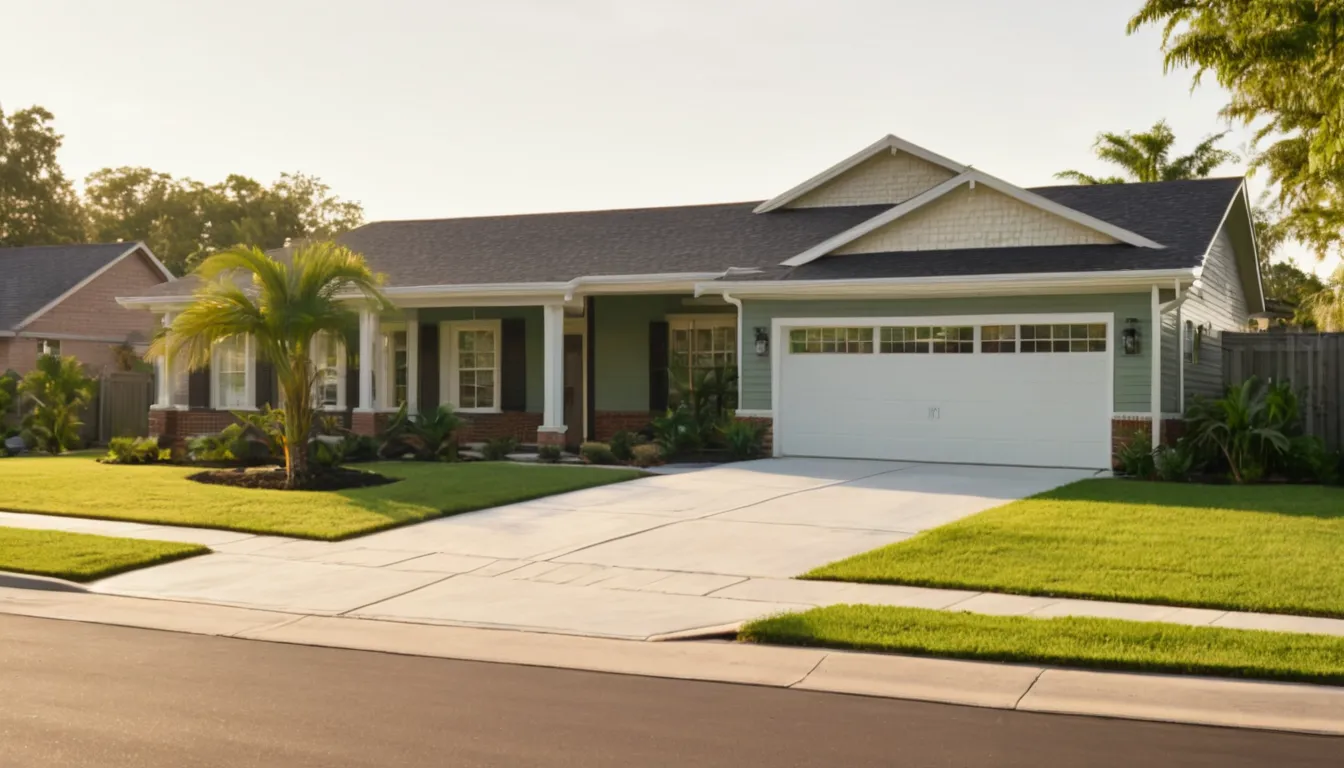
Need polyaspartic floor coating in Lavon?
Ready to talk it through? Request a callback to check provider availability, or use the request form to describe your floor.
No obligationPolyaspartic Floor Coating FAQ
How long does polyaspartic floor coating take to cure?
It usually cures faster than epoxy, and many floors can be walked on within a day. Parking times vary by product and weather. Ask your provider for exact times in writing, since conditions in a humid climate can change them.
Is polyaspartic better than epoxy for a garage floor?
Neither is right for everyone. Polyaspartic cures faster and resists sun yellowing, while epoxy often costs less. Many homeowners compare both, or a hybrid, with a local provider.
How do I care for a polyaspartic garage floor?
Sweep often, rinse spills, and clean with a mild cleaner and soft mop. Avoid harsh solvents and dragging heavy items. Ask your provider for written care steps for your specific coating.
Reach a local provider
Ready to talk it through? Request a callback to check provider availability, or use the request form to describe your floor.
No obligation